Planning Your Trip to Grenada: What to Know Before You Go
Essential travel tips for visiting Grenada. When to go, what to pack, currency, safety, and everything else you need to plan your Caribbean vacation.
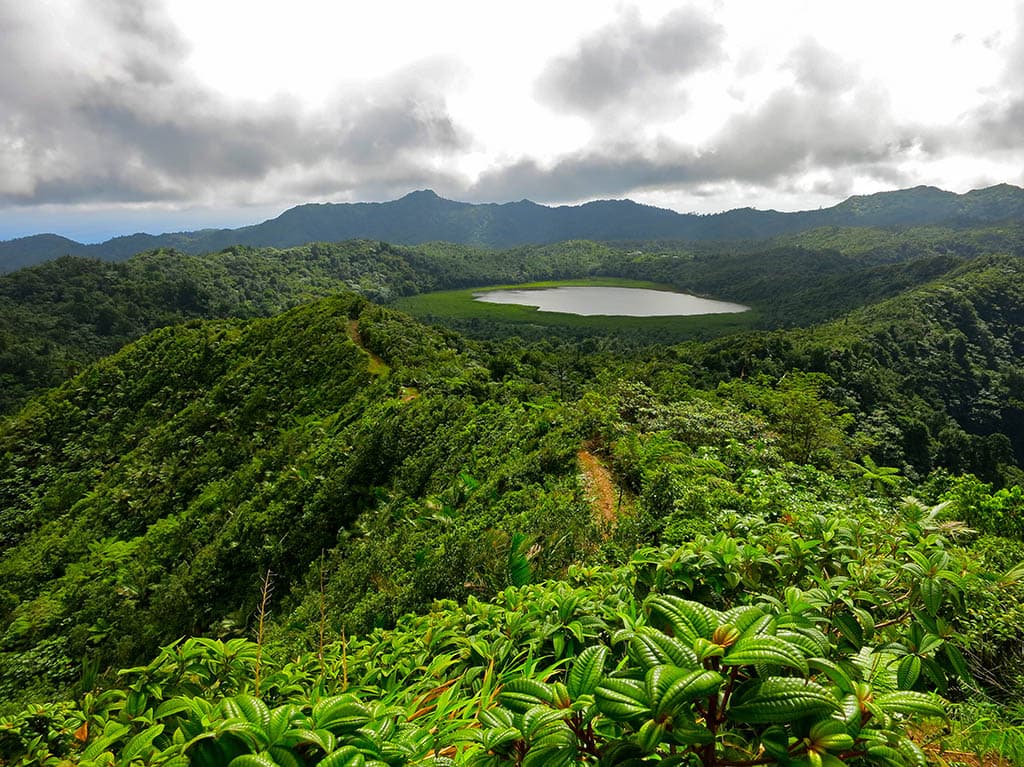
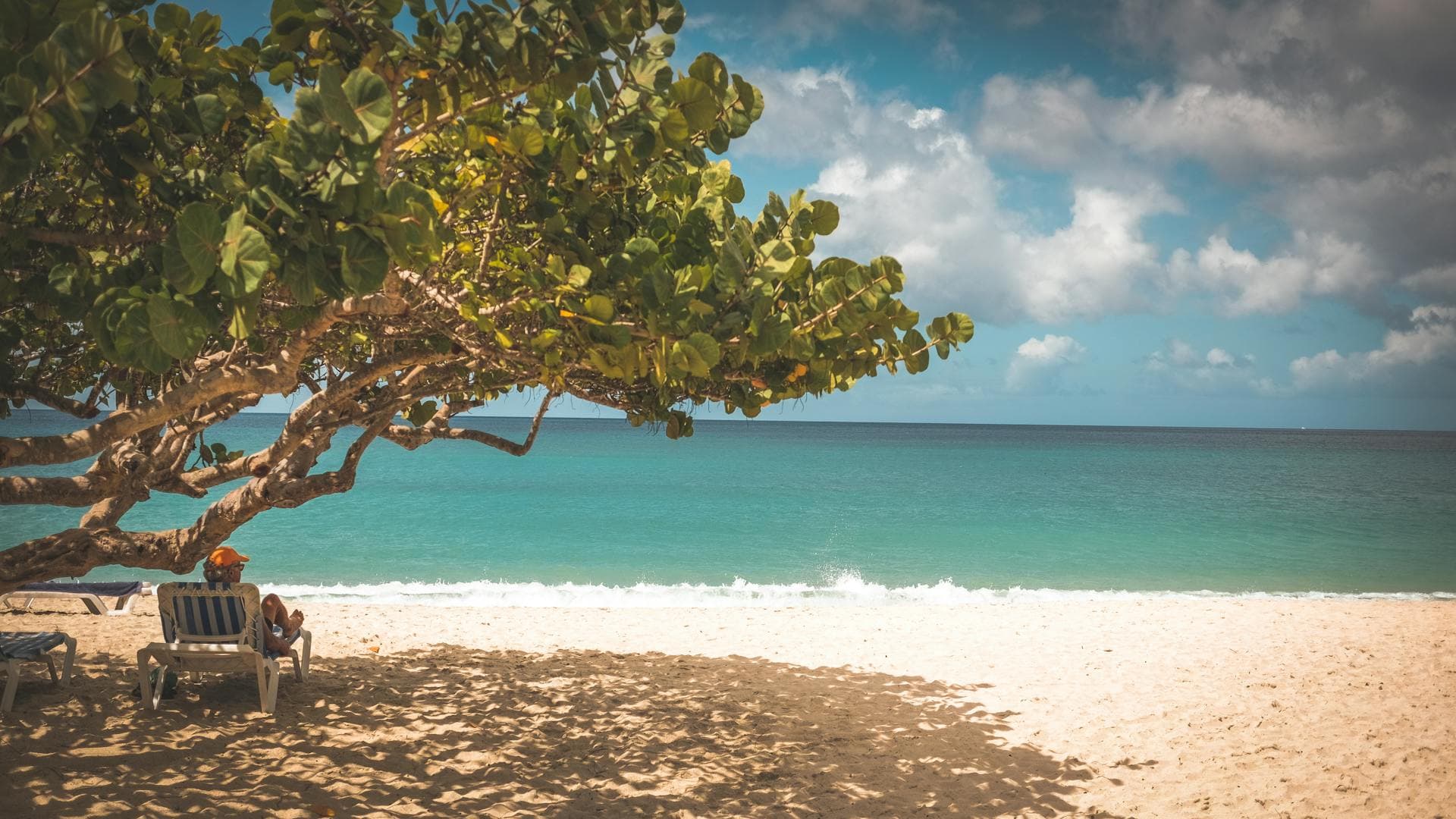
So you're thinking about Grenada. Maybe someone mentioned the chocolate, or you saw a photo of those underwater sculptures, or you're just looking for a Caribbean island that feels real—not a cruise ship port dressed up for tourists. Good instincts. Here's what you need to know.
Choosing When to Go
Grenada sits far enough south to escape most hurricanes, which means you can visit year-round without much weather anxiety. That said, timing matters.
The dry season runs from January through May, bringing sunny skies, calm seas, and the lowest humidity. This is peak season, when beaches are busiest and accommodation books up fast. If you're planning around Easter or February's Sailing Week, reserve your spot months ahead.
June through December is what locals call the green season. Afternoon showers roll through most days, but they rarely last more than an hour and the mornings are typically beautiful. The tradeoff? Fewer crowds, lower prices, and landscapes so lush they almost glow. The rain keeps things cool and makes the waterfalls spectacular.
If festivals interest you, plan around Spicemas Carnival in August—the island's biggest party—or the Chocolate Festival in May. Independence Day on February 7th brings parades and celebrations worth seeing.
Getting to the Island
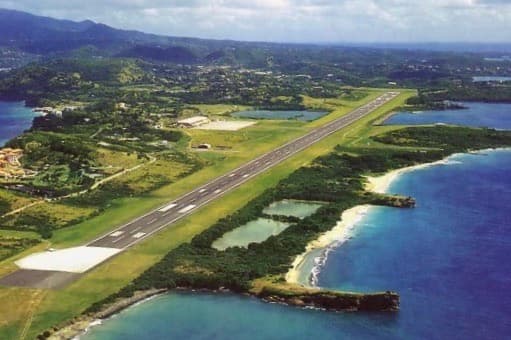
Maurice Bishop International Airport welcomes direct flights from Miami, New York JFK, and London Gatwick. Many visitors connect through Barbados, which adds a short hop but opens up more flight options.
The airport sits at Point Salines, about fifteen minutes from most accommodations in the Grand Anse area. You'll clear customs quickly—this isn't a massive international hub—and step out into Caribbean sunshine ready to start your vacation.
Money Matters
The local currency is the Eastern Caribbean Dollar, pegged at about 2.70 to the US dollar. But don't worry about exchanging money—US dollars are accepted everywhere, and you'll get change in either currency depending on what the vendor has on hand.
ATMs are easy to find in St. George's and Grand Anse. Credit cards work at most restaurants and hotels, but bring cash for beach vendors, taxi drivers, and the smaller establishments that make Grenada special.
Packing for the Spice Isle
Light, breathable clothing is essential—you'll live in shorts and sundresses. Pack several swimsuits so you always have a dry one. Reef-safe sunscreen protects both you and the coral. A light rain jacket comes in handy during green season, and comfortable walking shoes are necessary if you plan to explore St. George's steep streets or hike to waterfalls.
Water shoes aren't glamorous but earn their place in your bag for rocky beaches. If you're planning serious hikes, bring proper trail shoes. And don't forget a passport—no visa required for most nationalities, but the passport must be valid.
Getting Around Once You're Here
Rent a car if you want to explore. Grenada rewards those who venture beyond the beaches, and having your own wheels lets you discover hidden coves, mountain viewpoints, and villages that don't appear in guidebooks. Just remember: drive on the left, roads are hilly and winding, and an SUV handles the terrain better than a sedan. You'll need a local driving permit for $12, which the rental company arranges.
Taxis work well for airport transfers and occasional trips, with fixed rates that remove any negotiation. The Haylup app functions like Uber if you prefer the convenience. And water taxis offer a scenic way to travel between the harbor and Grand Anse—more fun than practical, but sometimes that's the point.
Safety and Practical Notes
Grenada is remarkably safe. The U.S. State Department gives it the lowest-risk rating, and violent crime against tourists is rare. Standard precautions apply: don't leave valuables visible in your car, avoid unfamiliar areas late at night, and respect the ocean's currents. Beyond that, relax.
The tap water is safe to drink. Medical facilities exist if you need them. The electricity runs on 220V with British-style plugs—bring an adapter if you're coming from the US. And the time zone is Atlantic Standard, one hour ahead of Eastern during daylight saving time.
Understanding the Culture
Grenadians are genuinely warm people, and small courtesies matter here. A simple "good morning" or "good afternoon" goes a long way—don't skip the greeting and jump straight to business. Cover your swimwear when you're away from the beach. And know that Sunday is a quiet day when many shops and restaurants close.
One more thing: Grenada moves at its own pace. If something takes a little longer than expected, embrace it. You're on island time now.
Finding Your Place to Stay
The island offers everything from luxury resorts to intimate guesthouses. For families and groups, a private villa makes sense—you get space to spread out, a kitchen for casual meals, and the privacy to set your own schedule. Corten Villa sits in Lower Woburn, close enough to beaches and attractions but tucked away in a quiet neighborhood where you can truly unwind.
Whatever you choose, Grenada rewards the curious traveler. It's not the most famous Caribbean island, and that's precisely why people who discover it keep coming back.
Plan Your Grenada Getaway
Stay at Corten Villa—just 10 minutes from Grand Anse Beach with a private pool, 4 ensuite bedrooms, and everything you need for the perfect Caribbean vacation.
Book Your Stay